
Achieving professional-quality podcast audio requires mastering noise reduction. This guide explores the progression from conventional methods to contemporary AI-driven solutions, demonstrating how combining these approaches yields superior outcomes.
In This Guide
The Evolution of Noise Reduction
Podcasters encounter multiple noise categories:
- Persistent electronic hums
- HVAC systems
- Sudden disruptive sounds (barking dogs, keyboard clicks)
- Sibilance (harsh “s” sounds)
Traditional Spectral Subtraction
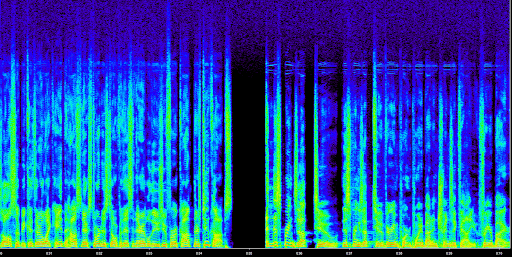
Earlier approaches relied on Fourier Transform analysis to create noise profiles during silent sections, then subtract matching frequencies.
Limitations:
- Struggled with dynamic and transient noise
- Frequently produced a hollow, “underwater” quality when applied aggressively
- Required clean noise samples that weren’t always available
Machine Learning Advancement
Programs like Izotope RX and Accentize VoiceGate train algorithms on extensive audio datasets, excelling at identifying non-stationary disruptions that traditional techniques missed.
Limitations:
- Dependence on training data specificity
- Unfamiliar voice types or noise patterns could yield unpredictable results
AI-Powered Reconstruction
Contemporary tools including Adobe Enhance, Descript Studio Sound, and the Emmy-recognized Accentize DxRevive go beyond removal—they actively reconstruct degraded signal components.
These excel particularly with phone recordings but benefit from thoughtful preprocessing.
Modern Noise Reduction Workflow
Strategic layering of specialized tools proves most effective:
| Stage | Tool Type | Settings | Purpose |
|---|---|---|---|
| 1 | Declicker | Automatic | Remove clicks and pops |
| 2 | ML Denoiser | 10-20% | Broader noise reduction |
| 3 | Spectral Denoiser | Soft gating | Consistent noise floor |
| 4 | AI Reconstruction | As needed | Address remaining degradation |
This multi-stage approach distributes processing demands, yielding cleaner, more natural results than aggressive single-stage processing.
Addressing Sibilance and Other Challenges
Machine learning denoisers frequently misidentify sibilance in higher voices as unwanted noise, causing lisping or voice thinning.
Mitigation strategies:
- Apply spectral denoising beforehand (less prone to targeting transient sibilance)
- Use multiple gentle passes rather than single aggressive processing
- Employ dedicated de-essing when necessary
Finding the Right Balance
Clean audio shouldn’t mean eliminating all ambient sound. Subtle background presence adds authenticity. Over-aggressive processing creates robotic, artificial results.
Best Practices
- Start minimal — Begin with light settings, gradually increasing intensity
- Multi-device testing — Verify quality across headphones, speakers, and phone
- Reference professional audio — Compare against podcasts in your genre
- Take breaks — Ear fatigue leads to over-processing
Tool Recommendations
| Category | Free Option | Premium Option |
|---|---|---|
| Spectral | ReaFir | Izotope RX |
| ML Denoising | — | Accentize VoiceGate |
| AI Reconstruction | Adobe Enhance (limited) | Descript Studio Sound |
| De-essing | Airwindows DeBess | Izotope RX |
Key Takeaways
- Combine traditional and AI techniques for best results
- Use multiple light passes instead of aggressive single processing
- Watch for unintended sibilance removal
- Preserve some ambient sound for natural feel
- Reference professional audio regularly
Want broadcast-quality audio without the complexity? If mixing and mastering isn’t where you want to spend your time, Podigy handles the entire post-production process. You can also explore the complete podcast editing workflow to see how all these techniques fit together.