Key Takeaways
| Aspect | Considerations |
|---|---|
| Microphone Types | Dynamic vs. Condenser |
| Connection Types | USB vs. XLR |
| Top Recommendations | ATR2100x, Shure MV7, Shure SM7B |
| Video Podcasting | Lavalier microphones |
| Setup Tips | Pop filter, boom arm, positioning |
In This Guide
Dynamic vs. Condenser Microphones: What’s the Difference?
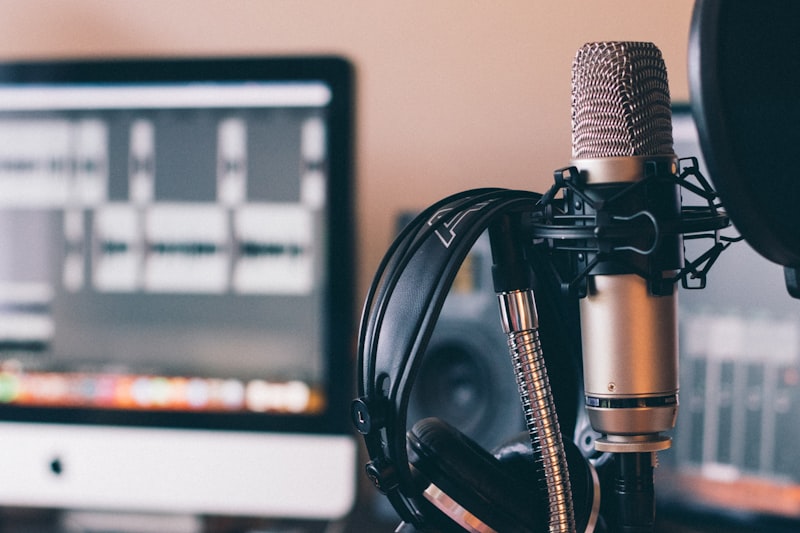
Dynamic microphones excel at handling loud audio while rejecting background noise, making them ideal for home recording environments where acoustic conditions may be imperfect. These mics offer directional pickup patterns that minimize unwanted side and rear sounds.
Conversely, condenser microphones capture fine vocal nuances with greater sensitivity. They perform exceptionally well in acoustically treated studios but will amplify any ambient noise present. Professional recording facilities favor condensers for their detail-rich capture capabilities.
For podcasters beginning their journey, dynamic microphones typically prove more forgiving, particularly in non-ideal acoustic spaces.
USB vs. XLR: Choosing Your Connection
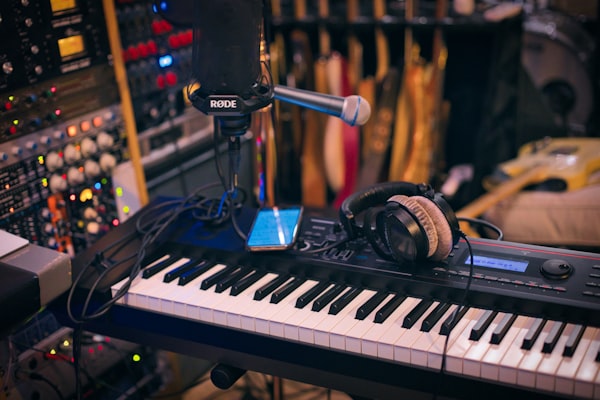
USB microphones offer plug-and-play simplicity for beginners seeking straightforward setups. The tradeoff involves limited upgrade potential and potentially less professional audio quality.
XLR microphones demand audio interface equipment but deliver superior sound and modular upgrade paths. Industry professionals predominantly use XLR systems.
The Shure MV7 bridges both standards with dual USB/XLR connectivity, allowing users to evolve their setup gradually.
Top Microphone Recommendations for Podcasting
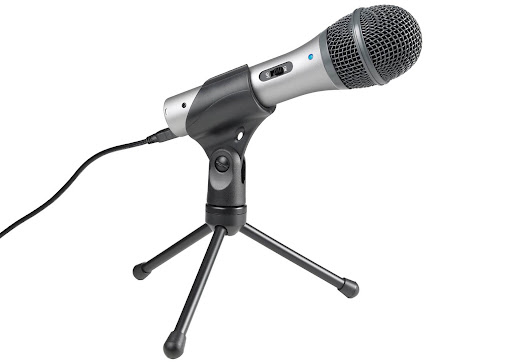
ATR 2100x
A dynamic microphone featuring both USB and XLR connectivity. It delivers excellent audio quality at an accessible price point with portable dimensions.
Best for: Budget-conscious podcasters who want flexibility to upgrade later.
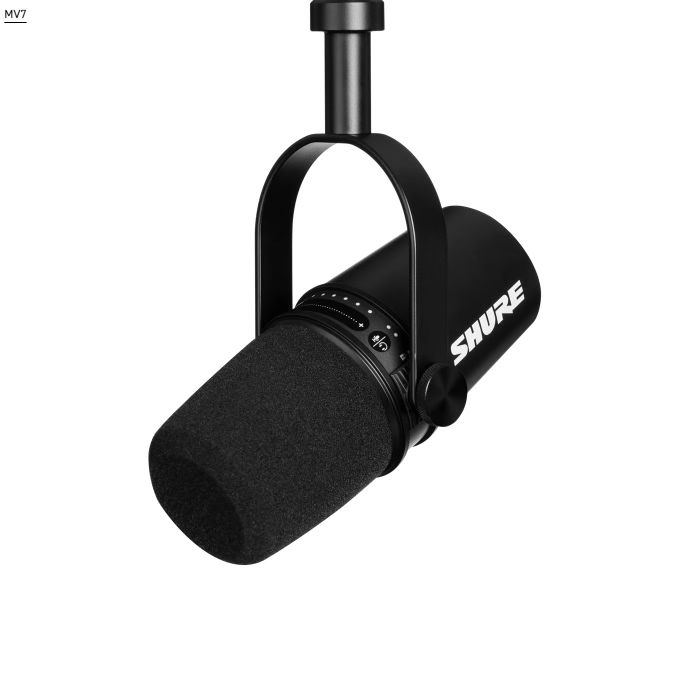
Shure MV7
An upgraded dynamic option with USB/XLR dual connections, touch controls, and accompanying software for sound customization. Its design minimizes room noise impact.
Best for: Podcasters who want professional quality without the complexity of a full studio setup.
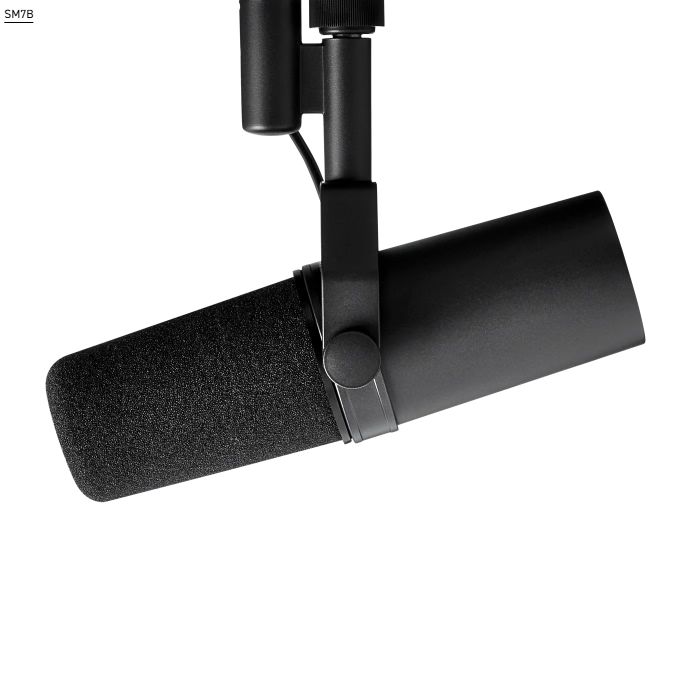
Shure SM7B
A professional-grade XLR dynamic microphone found in established podcasting studios. Superior build quality and audio fidelity justify its premium cost for serious creators.
Best for: Professional podcasters ready to invest in industry-standard equipment.
Lavalier Microphones for Video Podcasting
Clip-on lavalier microphones remain unobtrusive on camera while maintaining clear voice capture. Contemporary options like the DJI Mic and Rode Wireless Pro employ 32-bit float recording technology, virtually eliminating overmodulation and undermodulation concerns during outdoor or variable recording conditions.
Setting Up Your Microphone
- Deploy pop filters to eliminate plosive consonant noise
- Install boom arms for precise microphone positioning
- Speak diagonally across—not directly into—the microphone
- Select quiet recording locations with sound-absorbing surfaces
- Optimize placement through experimentation
- Consider acoustic room treatments for enhanced audio quality
Conclusion
Microphone selection requires evaluating dynamic versus condenser types, then choosing USB or XLR connectivity based on budget and expansion intentions. Video creators should explore lavalier alternatives. The ATR2100x, Shure MV7, and SM7B accommodate various requirements and price ranges.
Ultimately, consistent quality content production matters more than equipment prestige.
Once you have your microphone, see our Complete Guide to Podcast Recording for setup, gain staging, and remote guest routing.
Need help with podcast production? See how Podigy can help turn your podcast into a lead generation engine.