Introduction
This guide explores microphone selection for podcasters, building on our previous content about podcast editing and recording. Rather than relying solely on marketing claims, understanding microphone specifications will help you make informed decisions.
In This Guide
XLR vs USB Microphones
Both microphone types convert sound waves into electrical signals, but through different processes:
XLR microphones connect to an audio interface for analog-to-digital conversion. This external conversion typically results in higher audio quality and provides more control over the recording process.
USB microphones incorporate the analog-to-digital conversion internally and connect directly to computers. This simplifies setup but limits flexibility.
Key Considerations
- Professional recording often favors XLR setups with higher-end microphones (over $500)
- Budget-conscious podcasters may find USB microphones adequate, especially considering podcasts are typically compressed to low-bitrate MP3 files
- Multiple USB microphones on one computer require additional setup:
- Mac: Aggregate devices through Audio MIDI Setup
- Windows: ASIO4All driver configuration
- Audio interfaces with multiple inputs can be expensive, making software solutions sometimes more practical
Condenser vs Dynamic Microphones
Condenser Microphones
Condenser microphones use phantom power to energize a membrane, measuring fluctuations in current to interpret sound waves. This design makes them highly sensitive, capturing:
- Subtle vocal nuances and detail
- Room reflections and ambient noise
- Crosstalk from other speakers in untreated spaces
Best for: Acoustically treated studios where environmental noise is controlled.
Dynamic Microphones
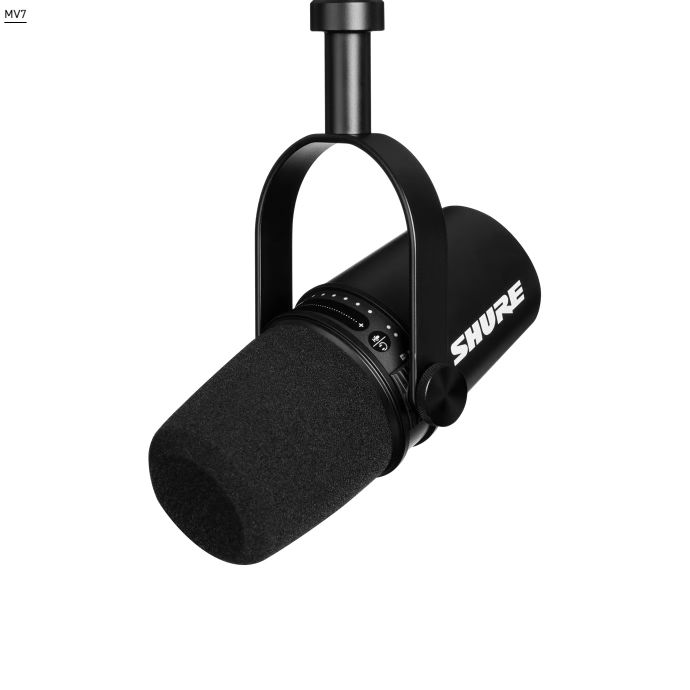
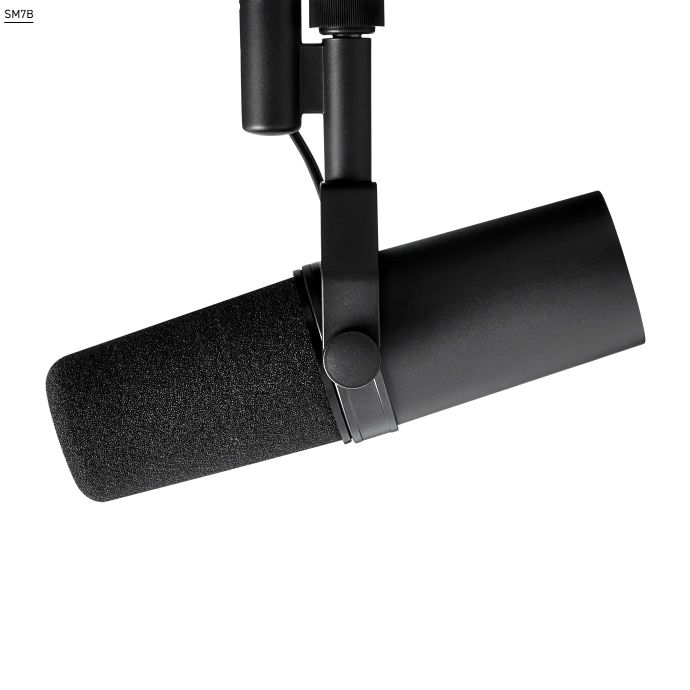
Dynamic microphones use unpowered magnetic coils, resulting in less sensitivity to surrounding sounds. They capture primarily frontal audio, making them ideal for:
- Group recordings with multiple speakers
- Untreated home recording environments
- Situations with background noise
Trade-off: Dynamic microphones typically require more post-recording EQ adjustments to achieve broadcast-quality sound.
Choosing the Right Microphone
| Recording Environment | Recommended Type | Reason |
|---|---|---|
| Treated studio | Condenser | Captures vocal detail |
| Home office | Dynamic | Rejects background noise |
| Multiple speakers | Dynamic | Reduces crosstalk |
| Solo, quiet space | Either | Personal preference |
Practical Recommendations
- Start with your environment — If you can’t control room acoustics, a dynamic microphone will be more forgiving
- Consider your budget holistically — XLR microphones require an audio interface, adding to total cost
- Think about scalability — XLR systems offer more upgrade paths as your podcast grows
- Don’t overspend early — Content quality matters more than equipment specifications for building an audience
Conclusion
Understanding the technical differences between microphone types empowers you to make decisions based on your specific situation rather than marketing hype. The “best” microphone is the one that works well in your recording environment and fits your workflow.
Once you have your mic sorted, see our Complete Guide to Podcast Recording for placement, gain staging, and remote guest setup.
Want professional audio without the technical headaches? Podigy handles the entire post-production process so you can focus on content.